
STIR/SHAKEN Implementation Checklist for Communication Service Providers
Robocalls and caller ID spoofing have been persistent challenges for communication service providers (CSPs) and their customers. To combat this, the STIR/SHAKEN framework has become a critical industry standard in North America, and CSPs must ensure correct implementation to maintain compliance ,

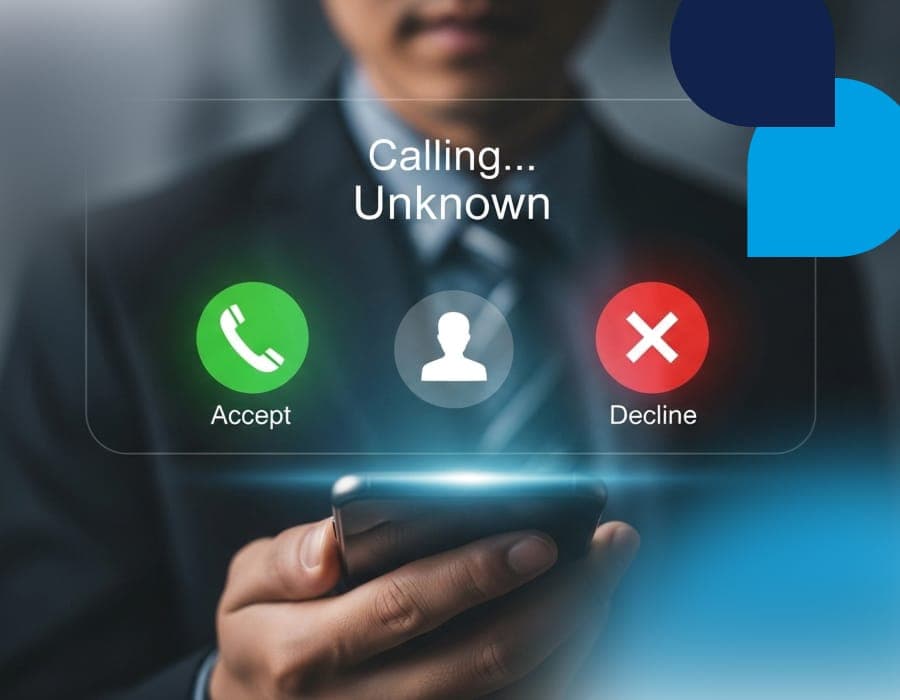
Robocalls and caller ID spoofing have been persistent challenges for communication service providers (CSPs) and their customers. To combat this, the STIR/SHAKEN framework has become a critical industry standard in North America, and CSPs must ensure correct implementation to maintain compliance, trust, and service quality.
What is STIR/SHAKEN?
STIR (Secure Telephony Identity Revisited) and SHAKEN (Signature-based Handling of Asserted Information Using toKENs) work together to authenticate caller identity for calls transmitted over IP networks. Essentially, STIR/SHAKEN helps verify that the caller ID presented to the recipient matches the originating phone number.
When implemented correctly, STIR/SHAKEN reduces fraud, increases consumer trust, and improves call completion rates.
Why Correct Implementation Matters
For CSPs, STIR/SHAKEN isn’t just a compliance exercise—it’s a safeguard for reputation and customer experience. Incorrect implementation can lead to several risks:
1. Regulatory penalties: The FCC mandates STIR/SHAKEN compliance for certain providers. Non-compliance or misconfigurations can result in fines.
2. Blocked or untrusted calls: If your calls fail authentication, recipients may not answer, harming legitimate business communications.
3. Customer churn: End-users may switch providers if calls frequently appear as “spam” or fail verification.
4. Increased fraud risk: Without proper verification, spoofing and robocalls can continue unchecked, damaging network integrity.
STIR/SHAKEN Implementation Checklist
To ensure a smooth and effective deployment, CSPs should consider the following checklist:
1. Understand Regulatory Requirements
2. Assess Network Capabilities
3. Obtain a Certificate from a Trusted Certificate Authority (CA)
4. Correct Call Authentication and Token Management
5. Testing and Validation
6. Monitor and Maintain
7. Educate Your Staff and Customers
STIR/SHAKEN is not Optional
Implementing STIR/SHAKEN correctly is no longer optional for CSPs—it’s a critical requirement to maintain regulatory compliance, prevent fraud, and protect customer trust. By following this checklist, providers can minimize risks, ensure smooth operation, and stay ahead of evolving industry standards.
Proper deployment not only safeguards your network but also enhances the overall experience for your customers, making legitimate calls reliable and reducing the impact of unwanted robocalls.
RingQ and STIR/SHAKEN Compliance
RingQ is fully compliant with STIR/SHAKEN standards, ensuring all outbound calls are properly authenticated and verified. By leveraging secure certificate management, robust token handling, and continuous monitoring, RingQ helps CSPs maintain regulatory compliance while protecting their customers from spoofing and fraudulent calls. This built-in compliance allows providers to focus on delivering reliable, trusted communications without worrying about misconfigurations or penalties.